

Hyperpigmentation
Targeted treatments for dark spots, uneven skin tone, and excess pigmentation to restore a clear, even complexion.
Understanding Hyperpigmentation
Hyperpigmentation is a common skin condition where patches of the skin become darker due to the excess production of melanin, the pigment responsible for skin color. This condition is primarily triggered by factors such as sun exposure (causing sunspots or age spots), hormonal changes (leading to conditions like melasma), and inflammation following skin injury or acne.
Though generally harmless, hyperpigmentation can be a stubborn cosmetic issue, manifesting as scattered spots or large, persistent patches. Effective management critically requires consistent, broad-spectrum sun protection to prevent further darkening.
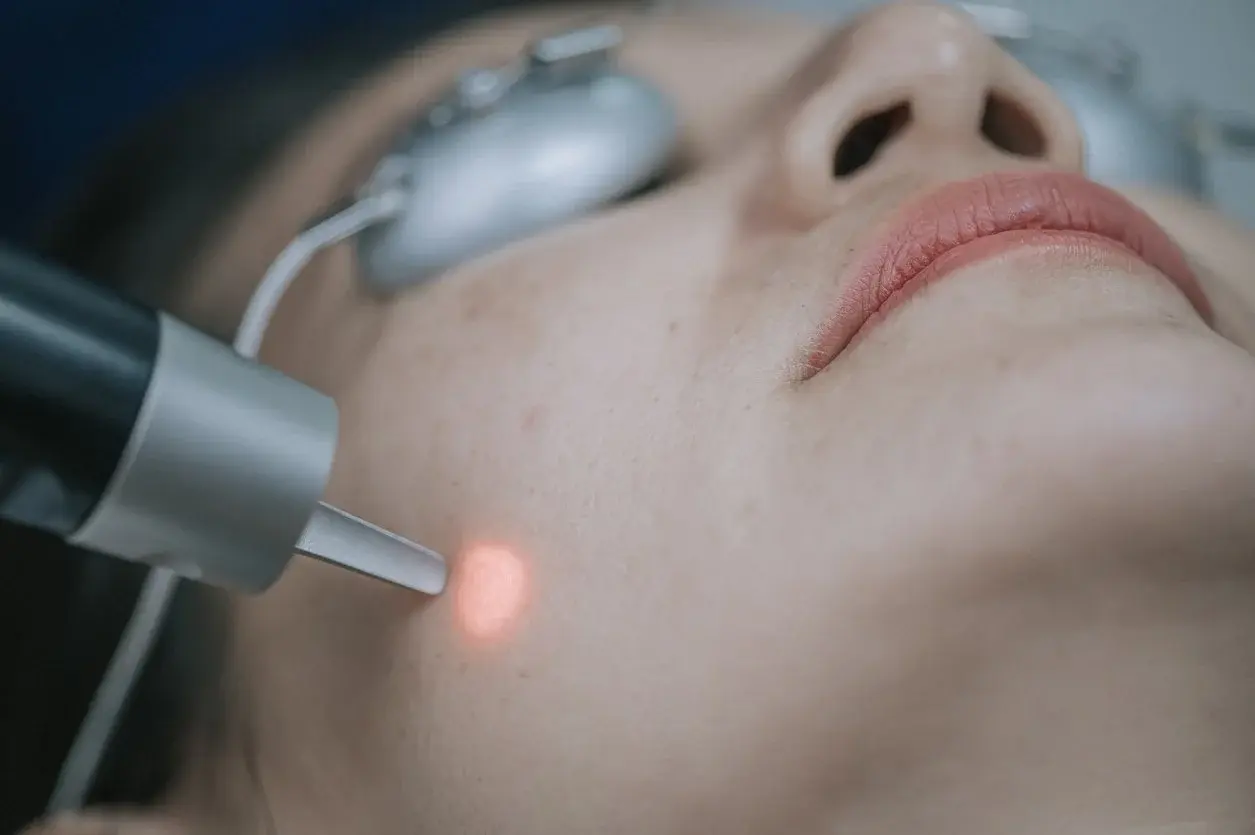
Topical options include prescription-strength creams featuring hydroquinone, tretinoin, and azelaic acid. For deeper pigmentation, in-office procedures provide stronger solutions, such as customized chemical peels, various laser therapies, and microneedling treatments. A dermatologist will diagnose the type and depth of your pigmentation to create the most effective treatment plan.
FAQ
Common Questions
How is the type of hyperpigmentation determined?
A dermatologist determines the type primarily through a visual exam, sometimes using a Wood's lamp to see how deep the pigment lies. This distinction is crucial because the depth and cause dictate the treatment. Surface-level sunspots often respond well to chemical peels, while deeper pigment like melasma requires a gentler approach focused on melanin suppression.
Are treatments safe for all skin tones?
Treatments must be chosen carefully, especially for medium to darker skin tones, which are more prone to Post-Inflammatory Hyperpigmentation (PIH). We use specialized treatments like certain pico- or low-energy lasers and superficial peels specifically calibrated to break up pigment without causing excessive heat or inflammation.
How long does it take to clear hyperpigmentation?
Initial lightening can be visible within four to eight weeks of starting a comprehensive plan. However, because hyperpigmentation is often a chronic issue rooted in genetics, hormones, and sun damage, it must be managed with continuous sun protection and maintenance therapy to prevent pigment from returning.

Brighter, Even-Toned Skin
Schedule a hyperpigmentation consultation with our board-certified team.
Explore
Other Medical Dermatology Services

Acne
Treatment is aimed at decreasing inflammation and bacteria.

Melasma
Treatment involves prevention through sun protection.

Cysts
Can be treated with drainage, injections, or simple excisions.

Moles
Mole evaluation and treatment targeted to your needs.

Seborrheic Keratosis
Cryotherapy and other modalities are used to address concerns.

Eczema
Calm skin, control itching, and prevent infection.

Psoriasis
Topical therapies, phototherapy, and systemic therapy.

Skin Cancer
Treatments vary based on examination and diagnosis.

Excessive Sweating
Options include topical or oral prescriptions, Qbrexza, or Botox.

Rosacea
Topical and oral medications and laser treatments.

Mohs Surgery
A surgery used to treat skin cancer, performed with care.

Skin Growths
Various treatments target the type of growth and your needs.