
Skin Growths
Comprehensive evaluation of benign and potentially malignant skin growths with targeted treatment options.
What Are Skin Growths?
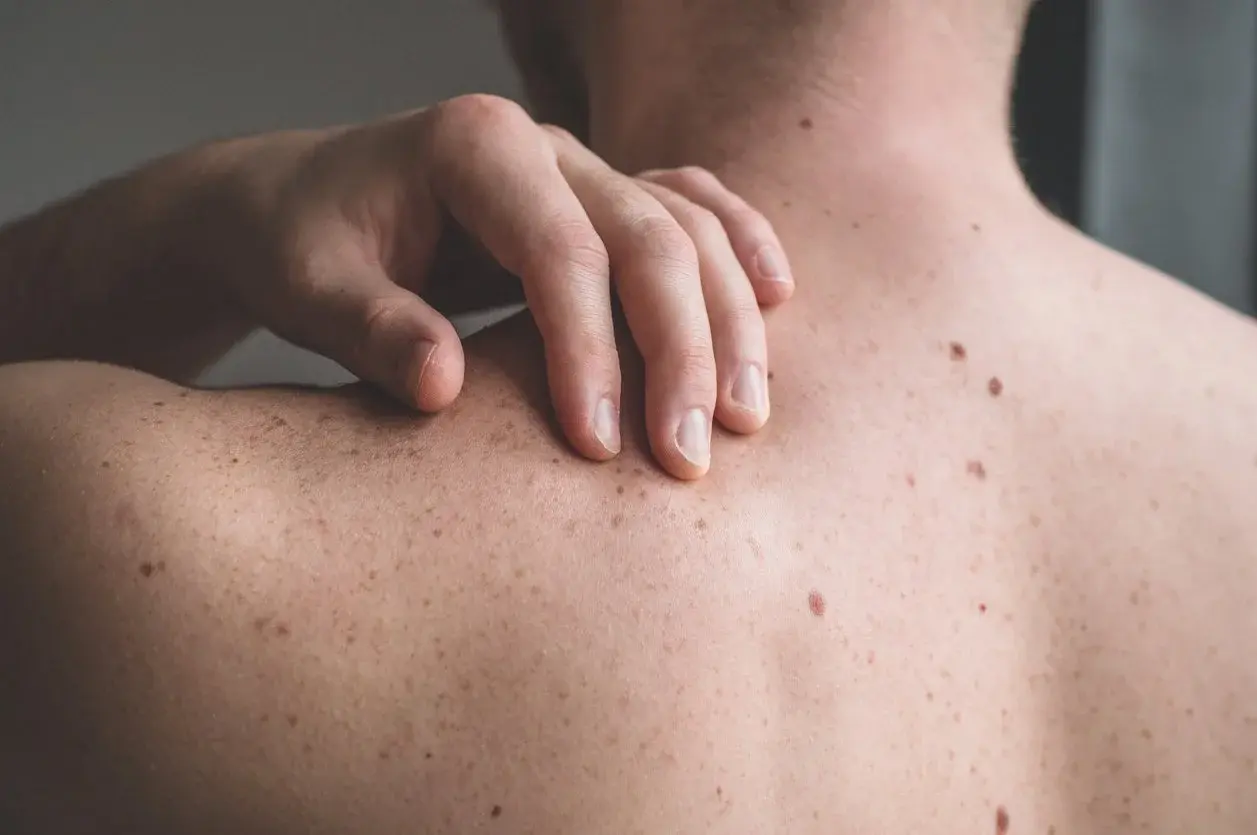
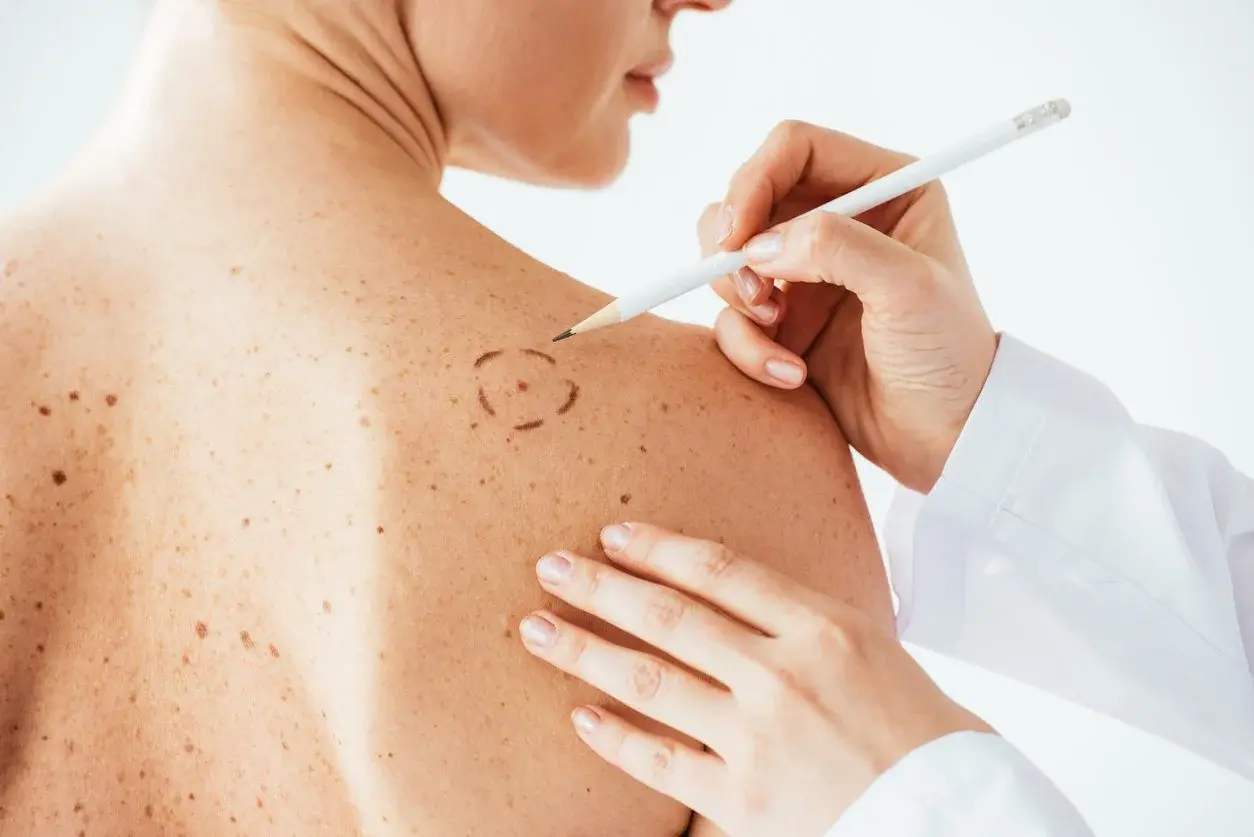
Skin growths are a common complaint presented to the dermatologist and can range from benign lesions, such as seborrheic keratoses, cysts, warts, lipomas, and benign moles to malignant lesions, such as actinic keratoses, nonmelanoma skin cancers, and malignant melanomas.
Noncancerous or benign skin growths often are confused with their malignant counterparts. They may be flat or raised, dark or skin-colored, and grow slowly or rapidly. Benign skin growths can be caused by viruses, genetics and environmental factors.
Common benign growths include sebaceous hyperplasia (shiny bumps from enlarged oil glands), cherry angiomas (red capillary overgrowths), milia (small white cystic growths), skin tags (flesh-colored growths on a stalk), seborrheic keratoses (scaly growths that look stuck on), and warts caused by viruses. Treatment options vary based on the type and include cryotherapy, electrosurgery, laser therapy, and simple excision.
FAQ
Common Questions
What are common types of benign skin growths?
Common types include sebaceous hyperplasia (shiny, flesh-colored bumps on the face), cherry angiomas (red spots from capillary overgrowth, common after age 30), milia (small white cysts on the face), lentigines or age spots (tan to brown patches from sun exposure), skin tags (soft growths in friction areas), seborrheic keratoses (waxy, stuck-on growths), and warts (scaly bumps caused by a virus).
When should I be concerned about a skin growth?
While most skin growths are benign, some can be confused with malignant lesions. Changes in size, shape, color, or symptoms like bleeding should prompt evaluation by a dermatologist. Atypical moles that are larger than a pencil eraser, have an odd shape, or show more than one color require professional evaluation.

Expert Skin Growth Evaluation
Schedule a consultation with our board-certified team.
Explore
Other Medical Dermatology Services

Acne
Treatment is aimed at decreasing inflammation and bacteria.

Melasma
Treatment involves prevention through sun protection.

Cysts
Can be treated with drainage, injections, or simple excisions.

Moles
Mole evaluation and treatment targeted to your needs.

Seborrheic Keratosis
Cryotherapy and other modalities are used to address concerns.

Eczema
Calm skin, control itching, and prevent infection.

Psoriasis
Topical therapies, phototherapy, and systemic therapy.

Skin Cancer
Treatments vary based on examination and diagnosis.

Excessive Sweating
Options include topical or oral prescriptions, Qbrexza, or Botox.

Rosacea
Topical and oral medications and laser treatments.

Hyperpigmentation
A variety of topical treatments and medications are offered.

Mohs Surgery
A surgery used to treat skin cancer, performed with care.