
Rosacea
Comprehensive management to reduce redness, prevent flare-ups, and prevent disease progression.
About Rosacea
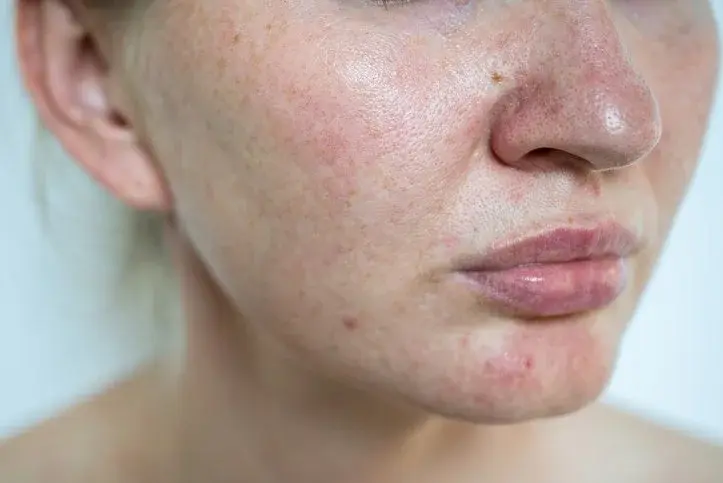
Rosacea is a common chronic inflammatory skin disease that is often underrecognized and underdiagnosed. It commonly affects the skin on the face, cheeks, and nose. The condition progresses from facial flushing to persistent redness, potentially advancing to permanent spider veins and pimple-type bumps.
More than 16 million people in the US experience rosacea, affecting men and women equally. Those with Irish ancestry face elevated risk. The etiology remains unclear, though environmental factors trigger development and exacerbate existing cases.
Demodex mites, naturally present on skin, proliferate abnormally in pimple-type presentations. Treatment involves a combination of topical and oral medications, and lasers and light-based treatments can be effective. The condition cannot be cured; however, long term treatment and lifestyle modifications can keep it under control.
FAQ
Common Questions
What are the symptoms of rosacea?
Rosacea produces overall redness on the forehead, cheeks, nose, and chin. Symptoms include flushing, dilated blood vessels (spider veins), pimple-like bumps, stinging and burning, swollen and thickened facial skin, and watery or irritated eyes. Common triggers include sun exposure, hot foods and beverages, spicy foods, alcohol, extreme temperatures, stress, and intense exercise.
How is rosacea diagnosed?
Dr. Rachel White obtains detailed medical history, evaluates current symptoms, and performs dermatological and ocular examination. Skin surface sampling may be collected for microscopic Demodex mite identification. Testing may exclude lupus and allergic reactions mimicking rosacea.
How is rosacea treated?
Treatment is geared towards reducing or eliminating signs and symptoms, treating Demodex mite overgrowth, preventing flare ups, and preventing progression. For most patients, treatment involves a combination of topical and oral medications. Lasers and light-based treatments can be effective. For ocular rosacea, treatment may include warm compresses, eyelid cleansing, eye medications, and oral anti-inflammatory antibiotics.

Take Control of Rosacea
Schedule a rosacea consultation with our board-certified team.
Explore
Other Medical Dermatology Services

Acne
Treatment is aimed at decreasing inflammation and bacteria.

Melasma
Treatment involves prevention through sun protection.

Cysts
Can be treated with drainage, injections, or simple excisions.

Moles
Mole evaluation and treatment targeted to your needs.

Seborrheic Keratosis
Cryotherapy and other modalities are used to address concerns.

Eczema
Calm skin, control itching, and prevent infection.

Psoriasis
Topical therapies, phototherapy, and systemic therapy.

Skin Cancer
Treatments vary based on examination and diagnosis.

Excessive Sweating
Options include topical or oral prescriptions, Qbrexza, or Botox.

Hyperpigmentation
A variety of topical treatments and medications are offered.

Mohs Surgery
A surgery used to treat skin cancer, performed with care.

Skin Growths
Various treatments target the type of growth and your needs.